

Understanding Your Stress Triggers
Learn how to identify what’s causing your stress and develop a practical plan to address the root causes.
Small practices done consistently compound into lasting emotional strength. Discover the daily habits that rewire your mind for better stress management and adaptability.
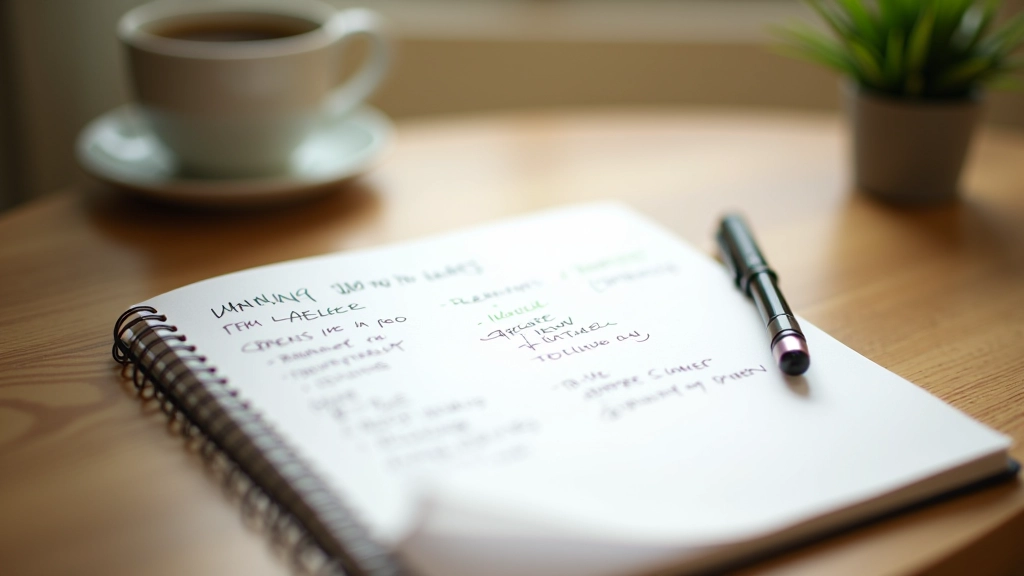
You don’t build resilience during the crisis. You build it in the quiet moments before. Most people wait until they’re overwhelmed to work on their mental health. But that’s backwards.
The truth is simple: tiny habits done every day create massive shifts in how you handle stress. It’s not about finding an hour for meditation or overhauling your entire life. It’s about 5-minute practices woven into what you’re already doing.
Research shows that people who develop consistent daily practices report 43% better emotional regulation within 8 weeks. They sleep better. They bounce back faster from setbacks. They don’t spiral as easily when things go wrong.
A 2% improvement each day equals 37x better results in a year. That’s the power of consistency, not perfection.
Your morning sets the tone for everything that follows. The first 30 minutes determine whether you’re reactive or intentional for the rest of the day.
Here’s what works: Before checking your phone, do three things. First, drink a glass of water — sounds basic, but dehydration tanks your mood and stress response. Second, move your body for 5 minutes. Not a full workout. A quick walk, stretching, or jumping jacks. This shifts your nervous system from sleep mode to activation. Third, write down three things you want to accomplish today. Not your whole to-do list. Just three. This gives your brain direction.
The combination works because it addresses three systems at once: hydration for physical resilience, movement for nervous system reset, and clarity for mental focus. Most people skip this entirely and wonder why they’re stressed by 9 AM.
This article provides educational information about daily habits for stress management and resilience. It’s not medical advice. If you’re struggling with anxiety, depression, or other mental health concerns, speak with a qualified healthcare provider or therapist who can give personalized guidance for your situation.
Stress spirals happen fast. One difficult email comes in, your chest tightens, your thoughts race, and suddenly you’re in full panic mode. The gap between trigger and reaction is tiny — sometimes less than a second.
You can’t eliminate the trigger. But you can expand the gap. The pause practice does exactly that. When you notice stress rising (you’ll feel it in your chest, shoulders, or stomach), stop for 10 seconds. Take four deep breaths: inhale for 4 counts, hold for 4, exhale for 6. The longer exhale activates your parasympathetic nervous system — the calming system.
Do this 3-4 times throughout your day, especially during transitions. Between meetings, before lunch, after work. You’re training your nervous system to stay regulated instead of jumping into fight-or-flight.
What you do at night determines how well you sleep. And sleep determines everything else. Your resilience, mood, immune function, and ability to handle stress — all depend on sleep quality.
The evening reflection takes 5-10 minutes. Write down: one thing that went well today (something small counts), one thing you learned or struggled with, and one thing you’re letting go of. That last part is crucial. You’re literally telling your brain “I’m done processing this for today.” This prevents rumination that keeps you awake.
Then put the phone away 30 minutes before bed. The blue light from screens suppresses melatonin production. You’re trying to sleep, not fight your own biology. Replace it with something calming — reading, stretching, or just quiet time. Most people don’t realize how much their evening routine sabotages their sleep quality and next-day resilience.
You can’t build real resilience in isolation. That’s a hard truth for a lot of people who think toughness means doing everything alone. It doesn’t. Connection is what actually helps you bounce back.
Make one genuine connection daily. Not scrolling through social media. Real contact. A 5-minute conversation with a colleague. A text to someone you care about. Lunch with a friend. When you share what you’re struggling with instead of pretending everything’s fine, your nervous system relaxes. Your brain knows you’re not alone in this.
Studies show people with strong social connections have 50% lower stress hormones. They recover faster from setbacks. They’re more optimistic. The daily habit here isn’t complicated — it’s just showing up for people and letting them show up for you.
Water, movement, clarity. Set your nervous system up for success before the day hits.
Pause practice. Four-count breathing when stress rises. Interrupt the spiral.
Reflection journal. Process wins and lessons. Release what doesn’t serve you.
One genuine interaction. Real conversation. Remind yourself you’re not alone.
You don’t need a major life overhaul. You need consistency with small things. These four habits take maybe 30 minutes total across your entire day. That’s it. But done daily, they fundamentally shift how your nervous system responds to stress.
Start with one habit this week. Maybe the morning anchor if you want structure and clarity. Maybe the pause practice if you struggle with stress spirals. Master that one, then add another. Build slowly. The compound effect isn’t flashy, but it’s real. In 8 weeks, you’ll notice you’re handling situations differently. Your mood is steadier. You’re sleeping better. You’re bouncing back faster.
That’s not luck. That’s resilience. And it’s built one day at a time.